
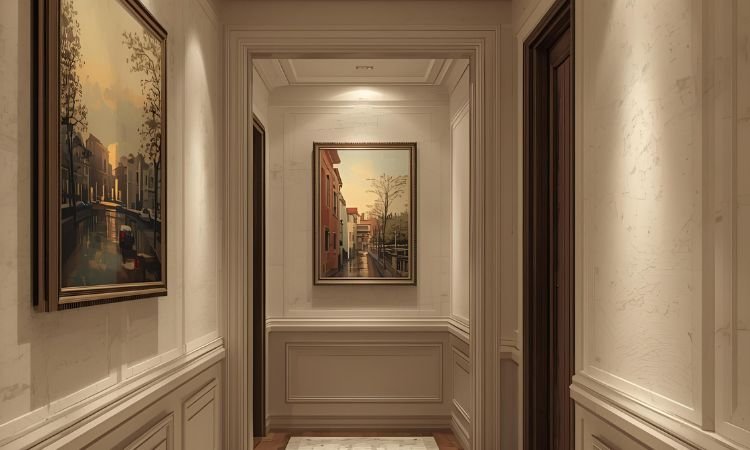

Hallways get ignored, right? They’re just those spaces you walk through to get somewhere else, so most people slap on some beige paint and call it done. But here’s the thing—your hallway connects every room in your house. It’s like the thread tying everything together, and it deserves better than builder-grade white.
Hall wall painting ideas turn forgotten passageways into interesting spaces that make your whole home feel more cohesive and intentional. The right color, pattern, or technique creates visual interest without overwhelming these typically narrow spaces. It’s about making hallways destinations instead of just transitions.
We’re covering 10 hall wall painting ideas that work with different styles and confidence levels. Whether you’re ready to go bold or prefer something subtle, these approaches transform hallways from afterthoughts into actual design moments. And most of them? Way easier than you’d think.
What Makes Hall Wall Painting Work
- Consider the Flow: Hallways connect rooms so paint choices should relate to adjacent spaces creating harmony. It’s thinking about transitions instead of isolated decisions. The cohesive approach makes your entire home feel designed.
- Use Light Strategically: Most hallways lack natural light making color choice critical for brightness versus moodiness. It’s understanding how artificial light affects your chosen color. The lighting awareness prevents surprises when paint dries.
- Account for Proportions: Long narrow halls benefit from different approaches than short wide ones. It’s adapting techniques to your specific dimensions. The tailored strategy makes spaces feel more balanced.
- Test Before Committing: Hallways are high-traffic areas where you’ll see the color constantly—sample generously. It’s living with colors before painting entire stretches. The patient testing prevents expensive regrets.
10 Hall Wall Painting Ideas
Transform your connecting spaces with these hall wall painting ideas that add interest and personality to overlooked areas.
Paint It Dark and Moody
Choose deep colors like navy, charcoal, forest green, or chocolate brown creating intimate drama. The saturated hue makes the hallway feel cozy instead of just narrow. It’s embracing the confined space instead of fighting it.
Use matte or eggshell finishes absorbing light for maximum moodiness. Add warm lighting and light-colored trim creating contrast. This hall wall painting idea costs standard paint prices but completely changes how the space feels—suddenly it’s a gallery vibe instead of just a passage.
Create a Two-Tone Look
Paint the lower third in a darker color with lighter walls above dividing the space horizontally. The two-tone approach adds visual interest and can make ceilings feel higher. It’s adding dimension through simple color blocking.
Use chair rail molding or painter’s tape creating a clean division line. Choose complementary colors within the same family. This hall wall painting idea takes minimal extra effort but delivers serious style impact.
Add Vertical Stripes
Paint vertical stripes making narrow hallways feel taller and adding movement. The upward lines draw eyes up creating height illusion. It’s using pattern strategically to alter perceived proportions.
Alternate between two colors or paint and wallpaper for varied stripes. Use painter’s tape ensuring clean lines. This hall wall painting idea requires patience with taping but creates custom wallpaper effects for just paint costs.
Go With a Bold Accent Wall
Paint one wall—usually the end wall—in a bold color creating a focal point. The statement wall gives hallways purpose beyond just connecting rooms. It’s making something you walk toward instead of just through.
Choose a color picking up tones from adjacent rooms creating connection. Keep other walls neutral letting the accent shine. This hall wall painting idea costs one can of bold paint but makes the entire hallway feel intentional.
Try an Ombre Effect
Gradually transition from light to dark (or vice versa) creating a gradient effect along the hallway. The shifting color adds movement and interest. It’s painting that feels like art.
Blend colors while wet working in sections for smooth transitions. Practice technique on poster board first. This hall wall painting idea takes more skill and time but creates a genuinely unique look you won’t see in every house.
Use Neutral Greige or Warm Gray
Choose sophisticated greige or warm gray providing subtle elegance without stark white coldness. The neutral backdrop works with any decor while feeling current. It’s safe but not boring.
Test samples in your lighting—some grays read blue or purple depending on light. Choose undertones matching adjacent rooms. This hall wall painting idea delivers timeless appeal and maximum flexibility for $30-40 per gallon.
Paint the Ceiling a Different Color
Keep walls neutral but paint the ceiling in a soft color—light blue, blush, or sage—creating the fifth wall effect. The unexpected ceiling color adds sophistication and draws eyes up. It’s detail that shows design thoughtfulness.
Choose colors lighter than walls preventing heaviness. Works especially well in hallways with good ceiling height. This hall wall painting idea costs minimal extra paint but creates memorable impact guests always notice.
Create a Horizontal Stripe Midway
Paint a wide horizontal stripe around the middle of walls in a contrasting color. The band adds interest and can make long hallways feel shorter. It’s breaking up expanse with intentional division.
Use the stripe at door handle height or align it with existing molding. Keep the band 12-18 inches wide for impact. This hall wall painting idea creates architectural interest where none existed before.
Go Light and Bright
Paint everything—walls, ceiling, trim—in the same light color creating seamless brightness. The monochromatic approach makes narrow halls feel more spacious. It’s maximizing light reflection in windowless spaces.
Choose warm whites or soft creams avoiding stark cold whites. Use varying sheens creating subtle definition. This hall wall painting idea opens up cramped hallways making them feel airier and larger.
Add Subtle Texture With Technique
Use sponging, ragging, or color washing techniques adding depth and hiding imperfections. The textured finish creates interest without bold colors. It’s adding dimension through method instead of hue.
Practice techniques thoroughly before starting—consistency matters more in long narrow spaces. Layer similar tones building subtle depth. This hall wall painting idea requires more time and skill but hides wall flaws beautifully.
Making Hall Wall Painting Work
- Prep Walls Thoroughly: Hallways show imperfections in long stretches of flat surface—patch holes and smooth surfaces before painting. It’s doing the boring work that makes results look professional. The proper prep prevents disappointment after paint dries.
- Use Quality Paint: High-traffic areas need durable paint withstanding bumps and cleaning. It’s investing in paint that lasts instead of needing frequent touch-ups. The quality formulas save money long-term through better durability.
- Consider Satin or Eggshell Finish: These sheens balance cleanability with understated appearance perfect for hallways. It’s choosing practical finishes that still look good. The washable surfaces handle hallway wear better than flat paint.
- Paint Trim and Doors Too: Refreshing trim and doors along with walls creates complete transformations. It’s finishing the job properly instead of half-updating. The complete approach delivers cohesive polished results.
Frequently Asked Questions About Hall Wall Painting
What Colors Make Hallways Look Bigger?
Light colors—whites, soft grays, pale blues, light greiges—reflect light making spaces feel more open. The bright tones prevent narrow hallways from feeling cave-like. Avoid dark colors in very narrow windowless halls unless you’re intentionally going for cozy drama.
Monochromatic schemes where walls, trim, and ceiling match create seamless expansion. The unified color makes boundaries less defined visually enlarging the space.
Should Hallways Match Adjacent Rooms?
Hallways should relate to connecting rooms without necessarily matching exactly. Choose colors from the same family or complementary neutrals creating flow. The transitional approach ties spaces together while letting rooms maintain individual character.
Using hallway color as an accent in adjacent rooms creates connection. The related palette makes your home feel cohesive instead of choppy.
Can You Use Dark Colors in Small Hallways?
Yes, but consider lighting and your comfort with cozy spaces. Dark colors make narrow halls feel more intimate—some people love this, others find it claustrophobic. Test dark samples living with them for days before committing.
Add plenty of lighting and light-colored floors if going dark. The contrast prevents overwhelming darkness while maintaining moody atmosphere.
What About Painting Hallway Ceilings?
Painting ceilings works beautifully in hallways adding unexpected interest. Keep colors lighter than walls avoiding heaviness. Soft blues, blush pinks, or pale greens create subtle surprise overhead.
In very narrow halls with decent ceiling height, painted ceilings draw eyes up de-emphasizing tightness. The upward focus makes spaces feel taller and more interesting.
How Do You Handle Long Hallways?
Break up long hallways with horizontal elements—a painted stripe, two-tone walls, or accent wall at the end. The divisions make long stretches feel more manageable. Consider multiple accent walls creating rhythm.
Varying shades slightly along the length—lighter at one end transitioning darker—creates movement. The gradual shift makes long hallways feel intentional instead of endless.
What’s the Best Finish for Hallways?
Satin or eggshell finishes balance durability with appearance. They’re washable enough for high-traffic areas without the shine of semi-gloss. Flat paint shows every mark in hallways—save it for low-traffic areas.
Semi-gloss works for trim and doors providing maximum cleanability. The varied sheens create subtle definition between surfaces.
Should You Use Wallpaper Instead?
Wallpaper works great in hallways adding pattern and texture paint can’t achieve. Choose washable varieties handling traffic and moisture. Wallpaper can hide imperfect walls better than paint.
Consider wallpaper on one wall with paint on others balancing pattern and cost. The mixed approach creates interest without overwhelming narrow spaces.
Transforming Your Hallways
Hall wall painting ideas prove that connecting spaces deserve as much design consideration as rooms themselves. The thoughtful color choices, creative techniques, and strategic approaches transform hallways from boring afterthoughts into spaces that enhance your entire home’s flow and character.
Start by assessing your hallway’s proportions, lighting, and relationship to adjacent rooms. Choose approaches enhancing these specific conditions rather than fighting them. The customized strategy creates hallways that improve your home’s overall feel while finally giving these hardworking spaces the attention they deserve.
What’s your hallway situation—long and narrow or short and wide? I’m curious which painting approach speaks to your specific space!