
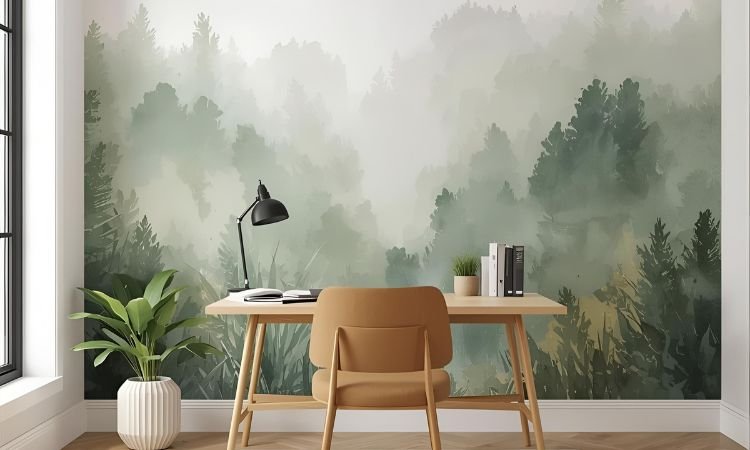

Let’s be honest—most study rooms are just leftover bedrooms with a desk shoved in the corner and whatever paint color was already there. But here’s what research actually shows: your environment affects your ability to concentrate and retain information. The colors surrounding you while you work genuinely impact productivity, and most people are stuck studying in spaces that work against them.
Study room wall painting ideas use color psychology and design principles creating environments that enhance focus rather than distract from it. The right paint choices reduce eye strain, minimize mental fatigue, and create spaces your brain associates with productivity. It’s designing rooms that help you work better instead of just looking nice.
We’re covering 8 study room wall painting ideas backed by how colors actually affect concentration and learning. These aren’t just aesthetic choices—they’re strategic decisions about creating functional work environments. And the best part? Paint is the cheapest way to completely transform how a room supports your study habits.
What Makes Study Room Wall Painting Work
- Color Affects Concentration: Cool blues and greens promote calm focus while warm colors can increase alertness or agitation. It’s using color psychology intentionally instead of decorating randomly. The science-backed choices create environments supporting mental work.
- Contrast Reduces Eye Strain: Too much contrast or too little both cause fatigue—balanced tones keep eyes comfortable during long study sessions. It’s finding the sweet spot between boring monotone and jarring contrast. The visual comfort extends productive work time.
- Accent Walls Create Focus: One different wall behind your desk creates a focal point helping direct attention where it needs to be. It’s using design to guide concentration. The strategic accent helps your brain know “this is the work zone.”
- Personal Preference Still Matters: Research provides guidelines but you need to like your space or you won’t use it. It’s balancing science with personal comfort. The functional space that reflects your taste gets used consistently.
8 Study Room Wall Painting Ideas
Create a productive learning environment with these study room wall painting ideas that support focus and concentration.
Paint in Soft Sage Green
Choose muted sage or soft green creating calm concentration without sedation. The natural color reduces anxiety while maintaining alertness. It’s the sweet spot color for sustained mental work—calming enough to reduce stress but not so relaxing you get drowsy.
Use matte or eggshell finish avoiding glare during long study sessions. Pair with white trim keeping things bright. This study room wall painting idea costs standard paint prices and creates an environment where your brain can actually settle into work.
Try Light Blue for Calm Focus
Use soft blue promoting productivity and calm similar to looking at clear sky. The cool tone lowers heart rate and blood pressure helping you stay focused during stressful study sessions. It’s the color repeatedly shown in studies to enhance concentration.
Choose blues with slight gray undertones avoiding bright baby blues that feel juvenile. Keep it light maintaining brightness. This study room wall painting idea works especially well for test preparation and detailed analytical work.
Create a Neutral Gray Backdrop
Paint in warm gray providing sophisticated neutrality that doesn’t distract. The balanced tone lets your brain focus on work instead of processing wall colors. It’s visual neutrality that reduces mental clutter.
Choose grays with warm undertones avoiding cold industrial feelings. Add colorful accents through accessories and artwork. This study room wall painting idea creates professional environments suitable for serious academic or remote work.
Add a Chalkboard or Whiteboard Wall
Paint one wall with chalkboard or whiteboard paint creating functional workspace for brainstorming and note-taking. The interactive surface supports active learning and problem-solving. It’s making your walls tools instead of just backgrounds.
Use magnetic primer underneath allowing notes and papers to be posted. Position behind or beside your desk. This study room wall painting idea costs $20-40 per quart creating genuinely functional study tools.
Try Soft Yellow for Energy
Use muted buttery yellow stimulating mental activity and optimism without harsh brightness. The warm tone increases alertness and creativity. It’s energizing without the agitation bright yellows can cause.
Choose pale yellows with cream undertones avoiding neon or lemon shades. Use on accent walls rather than entire rooms preventing overwhelm. This study room wall painting idea works well for creative work and early morning study sessions.
Paint One Accent Wall Dark
Create a dark navy, charcoal, or forest green accent behind your desk defining the work zone. The saturated color creates depth and makes the work area feel separate. It’s visual zoning through color creating psychological work boundaries.
Keep other walls light maintaining overall brightness. The contrast directs focus to your workspace. This study room wall painting idea costs one can of bold paint but significantly impacts how the space functions psychologically.
Use Two-Tone Horizontal Division
Paint the lower third in a deeper shade with lighter walls above creating visual grounding. The darker base anchors the space while lighter upper walls keep things bright. It’s adding dimension without pattern that could distract.
Use painter’s tape creating a clean division line at chair rail height. Choose tones from the same color family. This study room wall painting idea adds sophistication while maintaining the calm focus environments need.
Try Soft Lavender for Stress Reduction
Paint in pale lavender reducing stress and promoting calm during high-pressure study periods. The gentle purple supports concentration while easing anxiety. It’s particularly effective for test prep and deadline-heavy work.
Choose very soft tints avoiding bright purple that overstimulates. Pair with white and gray accents. This study room wall painting idea creates soothing environments for stress-prone students or workers.
Making Study Room Wall Painting Work
- Test Colors in Your Lighting: Study rooms used day and night look different in various lights—sample colors at different times. It’s seeing how morning, afternoon, and evening light affect your chosen colors. The comprehensive testing ensures colors work during all your actual study hours.
- Consider Natural Light Levels: Rooms with abundant natural light handle darker colors better than windowless spaces. It’s choosing colors appropriate for your specific light situation. The matched approach prevents spaces feeling too dark or washed out.
- Minimize Pattern and Texture: Save decorative painting for other rooms—study spaces need visual simplicity. It’s avoiding anything competing for attention with your work. The restrained approach reduces cognitive load.
- Add Good Lighting: Paint color only works with adequate lighting—include overhead lights, task lighting, and natural light. It’s creating a complete environment where color and light work together. The proper illumination makes color choices effective.
Frequently Asked Questions About Study Room Wall Painting
What’s the Best Color for Concentration?
Soft blues and greens consistently perform best in studies measuring focus and productivity. These cool tones promote calm alertness without sedation. Light grays work well for people who find any color distracting.
The “best” color varies individually—some people focus better with warm neutrals while others need cool tones. Test your response to different colors noticing how they affect your actual work sessions.
Should Study Rooms Be Dark or Light?
Light to medium tones work best maintaining brightness and preventing eye strain. Very dark rooms can feel oppressive during long study sessions. Save dark dramatic colors for accent walls rather than entire rooms.
Adequate lighting matters more than paint color—even light colors feel dark without proper illumination. The combination of appropriate wall color and good lighting creates optimal environments.
Can You Use Bold Colors?
Bold colors work on accent walls creating focus points but overwhelming entire rooms. Use saturated colors strategically—behind desks, on one wall—keeping other surfaces neutral. The restrained approach gives you color without distraction.
Very bright colors (red, orange, bright yellow) can increase anxiety and reduce focus for many people. If you love bold colors, use them in small doses through accessories rather than walls.
What About White Walls?
Pure white can cause glare and eye strain during extended work sessions. Off-whites and warm creams work better providing brightness without harsh reflection. If you prefer white, choose soft warm whites over stark bright whites.
White provides maximum flexibility for changing decor but offers no psychological benefits for focus. Consider whether you want neutral or color actively supporting concentration.
Do Colors Really Affect Learning?
Yes—numerous studies show environmental color impacts mood, stress levels, and cognitive performance. Blue increases productivity, green reduces anxiety, yellow stimulates creativity, while red can hinder detailed analytical work. The effects are subtle but measurable.
Individual differences exist—some people are more color-sensitive than others. Pay attention to your personal response rather than following rules blindly.
Should Shared Study Spaces Be Neutral?
Shared spaces benefit from neutral colors accommodating different preferences and work styles. Soft grays, greiges, or very light blues work for most people. The diplomatic approach creates usable space for everyone.
Let individual users personalize with desk accessories, artwork, and supplies adding color without painting. The flexible neutrality serves multiple users better than specific color choices.
How Often Should You Repaint?
Study rooms need repainting every 5-7 years or when you notice the color no longer supports your focus. If you find yourself increasingly distracted or unmotivated in the space, color fatigue might be the issue.
Repainting provides opportunities to adjust based on changing needs—different life stages and work types benefit from different colors. The periodic refresh maintains psychological effectiveness.
Can You Add Motivational Elements?
Keep motivational quotes and artwork minimal—too much visual stimulation distracts from actual work. One or two meaningful pieces work better than covering walls with inspiration. The restrained approach maintains the calm focus environment needs.
Choose items that genuinely motivate you personally rather than generic quotes. Personal connection matters more than quantity.
Creating Your Productive Space
Study room wall painting ideas prove that thoughtful color choices significantly impact your ability to focus, learn, and work productively. The strategic use of colors proven to enhance concentration, combined with appropriate lighting and minimal visual clutter, creates environments actively supporting mental work rather than hindering it.
Start by identifying when and how you use the space choosing colors appropriate for your specific needs and natural lighting. Test samples thoroughly living with them during actual study sessions before committing. The personalized approach creates study environments genuinely supporting your work style and goals rather than just looking nice.
What kind of work happens in your study space—creative projects or analytical focus? I’m curious which color approach would best support your specific needs!