
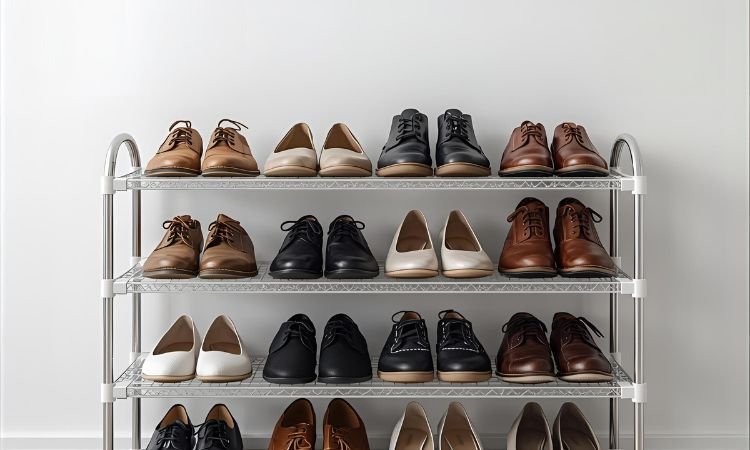

Shoes are probably scattered everywhere right now—by the door, under your bed, in random piles at the bottom of your closet. You own maybe 15-20 pairs but can only ever find one shoe when you need it. And that pile by the front door? It’s basically a tripping hazard at this point. Shoe storage in small spaces is frustrating because shoes are bulky, oddly shaped, and you need them accessible.
Shoe organization small space ideas maximize vertical space, utilize dead zones, and keep pairs together creating systems where you can actually find matching shoes quickly. The right approach gets shoes off the floor, keeps them visible, and makes the most of awkward spaces. It’s turning shoe chaos into organized systems without requiring a massive closet.
We’re covering 10 shoe organization small space ideas that work in tiny apartments, minimal closets, and entryways with no storage. These solutions are affordable, mostly DIY-friendly, and designed for real life where you actually need to grab shoes quickly. And honestly? Getting shoes organized makes your entire space feel less cluttered.
What Makes Small Space Shoe Organization Work
- Vertical Storage Maximizes Space: Stacking shoes upward instead of spreading them horizontally saves precious floor space. It’s using height since you can’t expand outward. The vertical approach fits more shoes in less square footage.
- Visibility Prevents Forgotten Shoes: When you can see your shoes, you actually wear them instead of defaulting to the same three pairs. It’s making your full collection accessible. The visible storage ensures you get value from everything you own.
- Pairing Keeps Sanity: Systems that keep shoes together prevent the endless search for missing mates. It’s basic organization that saves daily frustration. The paired storage makes getting dressed faster and less annoying.
- Accessibility Determines Use: Storage too difficult to access doesn’t get used—shoes end up on the floor anyway. It’s making systems easy enough to maintain daily. The practical approach works with your habits instead of against them.
10 Shoe Organization Small Space Ideas
Tame your shoe collection with these shoe organization small space ideas that maximize storage without requiring more square footage.
Over-Door Shoe Organizer
Hang a clear pocket organizer on closet or bedroom doors storing 12-24 pairs vertically. The door-mounted solution uses zero floor space while keeping shoes visible. It’s instant storage that requires no tools or commitment.
Choose clear pockets seeing shoes at a glance or fabric versions matching decor. Hold flats, sandals, or lightweight sneakers—heavier shoes might need sturdier options. This shoe organization small space idea costs $10-25 adding immediate accessible storage.
Under-Bed Shoe Bins
Store shoes in flat bins sliding under beds keeping off-season or less-worn pairs accessible but hidden. The dead space holds 10-20 pairs depending on bed size. It’s utilizing space you’re not using anyway.
Use clear-lidded bins or fabric boxes with windows seeing contents without pulling everything out. Label ends for easy identification. This shoe organization small space idea costs $20-40 for multiple bins creating substantial hidden capacity.
Tension Rod Shoe Rack
Install tension rods between closet walls mounting shoes by their heels creating tiered hanging storage. The vertical arrangement fits many pairs in minimal space. It’s clever use of physics and vertical space.
Position rods 6-8 inches apart stacking multiple levels. Works best for heels and wedges that hang easily. This shoe organization small space idea costs $10-20 for several rods creating unique vertical storage.
Floating Wall Shelves
Mount narrow shelves on walls displaying shoes while clearing floor space. The visible storage keeps shoes accessible and turns them into decor. It’s functional storage that’s also design element.
Install at varying heights creating visual interest. Use in closets, bedrooms, or entryways. This shoe organization small space idea costs $30-80 for several shelves creating customizable vertical storage.
Shoe Cabinet With Slim Profile
Choose narrow shoe cabinets (6-8 inches deep) that fit in tight spaces while hiding shoes. The enclosed storage keeps dust off while maintaining minimal footprint. It’s concealed storage in impossibly small spaces.
Tip-out or sliding door designs maximize capacity. Position in entryways or closets. This shoe organization small space idea costs $60-150 creating discreet storage holding 12-30 pairs depending on size.
Stackable Shoe Boxes
Use clear stackable shoe boxes creating modular customizable systems. The uniform containers stack to ceiling and keep shoes visible and protected. It’s creating your own shoe storage system piece by piece.
Label boxes or use photos on ends for easy identification. Stack against walls or in closets. This shoe organization small space idea costs $2-5 per box building gradually as needed.
Behind-Door Hanging Rack
Mount slim shoe racks directly on door backs or walls holding 4-6 pairs per tier. The space-saving design uses vertical door real estate. It’s turning wasted space into functional storage.
Choose metal or wood racks supporting shoe weight securely. Install at comfortable reaching height. This shoe organization small space idea costs $15-40 creating accessible door storage.
Closet Floor Shoe Rack
Use tiered shoe racks on closet floors maximizing vertical space under hanging clothes. The slanted design stacks shoes preventing piles. It’s organizing existing floor space more efficiently.
Choose racks fitting your closet width—typically 24-36 inches. Stack multiple racks if height allows. This shoe organization small space idea costs $20-50 creating organized accessible shoe storage where shoes already live.
Hanging Closet Shoe Organizer
Suspend fabric or vinyl shoe organizers from closet rods using vertical hanging space. The multi-pocket design holds 10-20 pairs keeping them visible and accessible. It’s using vertical closet space that’s usually wasted.
Hang these behind hanging clothes or on closet sides. Choose sturdy construction supporting multiple shoes. This shoe organization small space idea costs $15-30 adding instant vertical capacity.
Shoe Drawer Inserts
Add dividers to dresser or closet drawers creating individual shoe compartments. The organized system keeps pairs together and shoes protected. It’s making existing drawer space work specifically for shoes.
Use adjustable dividers customizing to your drawer size. Lay shoes on sides fitting more per drawer. This shoe organization small space idea costs $15-30 transforming drawers into dedicated shoe storage.
Making Small Space Shoe Organization Work
- Edit Your Collection Honestly: Small spaces can’t accommodate shoes you don’t wear—donate or sell pairs worn less than twice yearly. It’s keeping only what actually serves your life. The ruthless editing solves storage problems by reducing what needs storing.
- Store by Season: Keep current-season shoes accessible while boxing off-season pairs under beds or on high shelves. It’s rotating stock making small spaces function like larger ones. The seasonal approach keeps daily-use shoes within easy reach.
- Maintain Pairs: Always store shoes together preventing the endless search for mates. It’s basic organization saving daily frustration. The paired discipline makes systems actually work long-term.
- Clean Before Storing: Wipe shoes clean before putting away preventing dirt from setting and keeping storage areas fresh. It’s maintaining respect for your belongings and storage systems. The cleaning habit keeps everything in better condition.
Frequently Asked Questions About Small Space Shoe Organization
How Many Shoes Should You Own?
In small spaces, limit to what fits comfortably in your available storage—typically 10-20 pairs for most people. More specialized collections might reach 30 pairs but anything beyond that requires serious storage commitment. The edited collection prevents storage overwhelm.
If you’re constantly fighting shoe storage, you probably own too many. The honest assessment reveals whether you need better organization or fewer shoes.
Where Do You Store Seasonal Shoes?
Under-bed bins, vacuum bags, or boxes on high closet shelves keep off-season shoes accessible but out of daily rotation. The seasonal storage makes limited space function year-round. Rotate quarterly swapping current shoes for appropriate seasonal pairs.
Label storage clearly making seasonal swaps quick and organized. The rotation system prevents cramming every shoe into daily-access areas.
What About Boots?
Store boots upright using boot shapers or pool noodles maintaining shape. Hanging boot organizers suspend from closet rods. Under-bed bins hold boots laying flat. The tall footwear needs special consideration preventing creasing.
Boot clips attach to hangers hanging boots from closet rods. The vertical approach keeps boots accessible without floor space.
How Do You Organize Shoes Without a Closet?
Use freestanding shoe racks, wall-mounted shelves, under-bed storage, or decorative baskets doubling as decor. Behind-door organizers and slim cabinets create storage without dedicated closets. The creative solutions work in studios and closet-free rooms.
Choose attractive storage visible in living spaces—wicker baskets, wooden shelves, or stylish cabinets maintaining aesthetics while providing function.
Can Shoes Be Stored Stacked?
Yes, but only certain types. Sneakers and flats stack well in boxes or bins. Heels and structured shoes need individual spaces preventing damage. The stacking approach works for casual shoes but delicate or structured pairs need protective storage.
Clear boxes allow stacking while keeping shoes visible. The transparent storage combines stacking efficiency with visibility benefits.
What About Entryway Shoe Storage?
Use slim shoe cabinets, wall-mounted racks, or decorative baskets keeping daily shoes by the door without creating clutter. Bench seating with hidden storage provides sitting area and shoe storage simultaneously. The functional entryway storage prevents shoe piles.
Limit entryway storage to 3-5 pairs per person preventing overflow. Excess shoes belong in bedroom or closet storage.
How Do You Keep Shoes Organized Long-Term?
Put shoes away immediately after wearing instead of leaving by the door. Do monthly quick organization sessions returning strays to proper places. Quarterly edits remove shoes no longer worn. The ongoing maintenance prevents system collapse.
Make storage easy enough to use daily. Complicated systems get abandoned quickly. The sustainable approach works with your habits.
Should You Store Shoes in Original Boxes?
Original boxes work for special occasion shoes worn rarely but waste space for everyday pairs. Clear stackable boxes work better providing visibility and uniformity. The practical approach balances protection with accessibility.
If you love original boxes, take photos of shoes taping them to box ends identifying contents. The hybrid approach maintains organization while keeping manufacturer packaging.
Organizing Your Shoe Chaos
Shoe organization small space ideas prove that even substantial shoe collections can be stored efficiently in limited spaces through vertical thinking, seasonal rotation, and honest editing. The combination of utilizing dead zones, maximizing vertical space, and maintaining only shoes you actually wear transforms chaotic shoe piles into organized accessible systems.
Start by editing honestly keeping only shoes worn regularly and in good condition. Choose storage solutions maximizing your specific space—door backs, under beds, closet walls, or floor racks. Implement seasonal rotation keeping current shoes accessible while storing off-season pairs. The comprehensive approach tames shoe chaos making small spaces feel organized and functional.
What’s your shoe situation—too many shoes or just terrible storage? I’d love to hear what specific challenge you’re trying to solve!