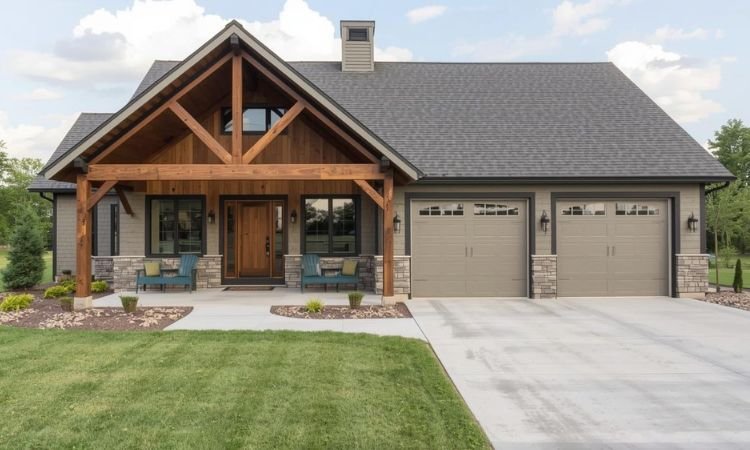
Barndominium construction costs $100-$150 per square foot with 60% of builders incorporating shop spaces, yet poor planning creates awkward layouts where noise, fumes, and temperature control issues make integrated living-working arrangements uncomfortable costing $15,000-$30,000 in post-construction modifications. The simultaneous design failures happen when treating shop as afterthought rather than planning true integration from start.
Barndominium ideas with shop reveal which configurations successfully merge residential comfort with functional workspace versus layouts that force choosing between livability and shop utility. The best designs combine strategic separation with convenient access creating properties that enhance both home life and work productivity rather than compromising either.
We’re covering 11 barndominium ideas with shop featuring layouts that balance residential and workspace requirements. These proven approaches work across property sizes providing the functional integration and flexible zoning that makes combined living-working barndominiums successful long-term investments.
Key points we’re exploring:
- Layout configurations optimizing both residential and shop functions
- Separation strategies controlling noise, temperature, and odors
- Access arrangements balancing convenience with privacy
- Mechanical system considerations for mixed-use spaces
- Building code requirements affecting design choices
- Cost implications of different shop integration approaches
Essential Qualities of Barndominium With Shop Designs
Strategic Separation Maintains Residential Comfort: Physical barriers with insulated walls and separate HVAC zones prevent shop noise, dust, and temperature extremes from affecting living areas while maintaining interior access convenience. It’s like soundstage construction where isolation enables coexistence. The proper separation allows simultaneous residential and shop activities without mutual interference.
Adequate Shop Sizing Prevents Future Regrets: Minimum 30×40 foot shops accommodate vehicle projects and equipment storage while 40×60 or larger spaces support serious hobbies or business operations with room for growth. It’s like garage planning where undersizing creates immediate frustration. The generous shop dimensions justify barndominium investment through lasting utility.
Separate Utility Systems Allow Independent Control: Dedicated electrical panels, HVAC zones, and plumbing systems for shop areas enable heating/cooling only occupied spaces while supporting heavy equipment loads without affecting residential electrical capacity. It’s like duplex buildings where independent systems serve different needs. The separate utilities optimize energy costs and functionality.
Code-Compliant Design Prevents Approval Issues: Fire-rated walls between residential and shop spaces, proper egress requirements, and ventilation standards vary by jurisdiction with violations delaying occupancy or requiring expensive corrections. It’s like building permits where compliance determines feasibility. The regulation-aware design prevents costly surprises during construction or resale.
11 Barndominium Ideas With Shop
Create functional combined living-working spaces with these barndominium ideas with shop featuring layouts that serve both purposes successfully.
End-to-End Configuration
Design barndominiums with living quarters occupying one end and shop space at opposite end connected by breezeway or interior hallway. The linear arrangement provides maximum separation reducing noise and temperature transfer while maintaining covered connection. It’s like train cars where sequential arrangement allows passage between.
Include insulated fire-rated wall separating sections and independent entrance for each area. Plan minimum 1,500 square feet living with 1,200+ square feet shop space. Costs run $200,000-$400,000 depending on finishes and size. This barndominium with shop idea maximizes functional separation within single structure.
Side-by-Side Layout
Place residential and shop areas parallel under shared roofline with common wall dividing spaces. The adjacent arrangement uses rectangular building footprint efficiently while shared wall reduces construction costs versus separate structures. It’s like townhouses where wall sharing creates efficiency.
Install heavy insulation and sound dampening in dividing wall controlling noise transfer. Include separate exterior access for both sides. Expect 1,800-2,500 square feet living beside 1,500-2,000 square feet shop. Costs range $180,000-$380,000 for complete build. This barndominium with shop idea balances integration with separation economically.
Two-Story Design
Build two-story barndominiums with living quarters above shop space maximizing property footprint efficiency. The vertical arrangement suits smaller lots while tall ceilings in shop area accommodate lifts and equipment. It’s like urban lofts where vertical living maximizes land use.
Requires substantial floor structure isolating shop vibration and noise from living areas above. Include exterior shop access independent from residential entrance. Plan 1,200-1,800 square feet living over 1,500-2,500 square feet shop. Expect costs $220,000-$450,000 given structural complexity. This barndominium with shop idea suits space-limited properties.
Attached Shop Addition
Connect traditional-style barndominium living area to larger shop via enclosed breezeway or mudroom transition space. The distinct volumes allow different roof heights and exterior treatments while breezeway buffers noise and temperature differences. It’s like house-garage connections where transition zones separate functions.
Design breezeway with storage and utilities creating functional buffer zone. Include overhead doors on shop and standard entry on residence. Costs run $190,000-$420,000 depending on square footages. This barndominium with shop idea provides architectural variety and functional separation.
L-Shaped Compound
Create L-shaped footprints with residential wing forming one leg and shop space perpendicular creating protected courtyard or patio area. The angled arrangement defines outdoor space while separating living and working zones naturally. It’s like ranch houses where wings create outdoor rooms.
Position shop perpendicular to prevailing winds preventing exhaust and noise affecting residential windows. Include courtyard hardscaping connecting wings visually. Expect 1,600-2,200 square feet living with 1,400-2,000 square feet shop. Costs range $210,000-$440,000 for complete compound. This barndominium with shop idea creates defined outdoor living space bonus.
Apartment Over Shop
Build shop first floor with complete apartment-style living quarters on second story creating rental income potential or multi-generational housing. The commercial-residential hybrid allows business operation below personal residence or renting either space independently. It’s like mixed-use buildings where flexibility creates options.
Include separate utilities metering for independent spaces and exterior stairs providing private apartment access. Plan 800-1,200 square feet apartment over 1,800-3,000 square feet shop. Expect costs $200,000-$420,000 with rental-grade finishes. This barndominium with shop idea maximizes property income potential.
Central Shop Core
Design shop space as building core with living areas wrapping around on two or three sides. The central placement keeps shop access convenient from all living areas while surrounding residential spaces buffer shop from exterior views. It’s like atrium buildings where center serves entire structure.
Requires extensive soundproofing and fire-rated construction separating residential from central shop. Include shop access preventing passage through living areas. Costs run $240,000-$480,000 given complex separation requirements. This barndominium with shop idea suits specific workflow or lifestyle needs.
Half-Living Half-Shop
Split barndominium exactly in half dedicating equal square footage to residential and shop uses. The balanced approach provides generous space for both functions under single efficient roofline. It’s like duplex design where equivalence defines layout.
Install insulated demising wall with fire rating separating halves completely. Include independent utilities and access for each side. Plan 2,000 square feet living beside 2,000 square feet shop. Expect costs $220,000-$450,000 for balanced build. This barndominium with shop idea suits serious hobbyists or home businesses needing substantial workspace.
Workshop Addition to Existing Barndo
Add shop space to existing barndominium through attached metal building extension. The phased approach allows moving into residence first then adding shop when budget permits. It’s like home additions where growth happens incrementally.
Match or complement existing barndominium exterior finishing shop addition cohesively. Connect through mudroom or breezeway maintaining separation. Costs for 1,500 square foot shop addition run $60,000-$120,000. This barndominium with shop idea enables budget-friendly phased construction.
Hybrid Residential-Commercial
Design barndominium with residential quarters meeting building codes for living spaces while shop area meets commercial codes allowing business operations and customer access. The dual-classification approach enables home-based business with proper zoning and code compliance. It’s like live-work spaces where regulation enables function.
Requires professional design ensuring code compliance for both uses and separate egress meeting commercial requirements. Plan business licensing and zoning approval during design phase. Costs vary widely with commercial requirements adding $50-$100 per square foot to shop portion. This barndominium with shop idea supports entrepreneurial ventures legally.
Detached Shop Configuration
Build separate dedicated shop building 20-50 feet from barndominium residence maintaining complete noise and activity isolation. The detached approach provides maximum separation while covered walkway or close proximity maintains convenience. It’s like traditional shops where separation protects residential peace.
Allows phased construction and simpler permitting as separate structures. Design matching exteriors creating cohesive property appearance. Shop building costs $80,000-$180,000 for 1,500-2,500 square feet standalone structure. This barndominium with shop idea delivers complete functional independence.
Planning Barndominium Shop Integration
Assess Actual Shop Needs Before Sizing: Inventory equipment, vehicles, and projects requiring space adding 30-40% for circulation and future growth. It’s like moving where underestimating creates problems. The honest space assessment prevents undersized shops limiting utility.
Plan Utilities Supporting Shop Functions: Install 200+ amp electrical service for shop areas supporting welders, compressors, and power tools. It’s like industrial wiring where capacity enables capability. The adequate electrical infrastructure prevents operational limitations.
Include Proper Ventilation Systems: Design exhaust fans, makeup air, and dust collection systems removing fumes and particles protecting health and preventing contamination of living areas. It’s like commercial kitchens where air handling matters critically. The ventilation investment creates safe working environment.
Consider Resale Implications: Integrated shop spaces appeal to specific buyers potentially limiting market while detached or easily-converted shops maintain broader appeal. It’s like specialized homes where uniqueness affects marketability. The resale awareness influences design decisions appropriately.
Frequently Asked Questions About Barndominium With Shop
How Much Does Barndominium With Shop Cost?
Combined barndominiums with integrated shops cost $180,000-$500,000 depending on total square footage, finish quality, and regional construction costs. Basic 2,000 square foot living with 1,500 square foot shop runs $200,000-$320,000. Luxury finishes and larger shops push costs to $400,000-$600,000.
Shop portions cost $60-$100 per square foot versus $120-$180 per square foot for living areas. The combined construction saves 15-25% versus building separate structures.
What Size Shop Should You Include?
Minimum 30×40 feet (1,200 square feet) accommodates vehicle work and basic storage. Serious hobbyists benefit from 40×50 or 40×60 providing comfortable workspace with room for multiple projects. Commercial operations or extensive equipment collections require 50×80 or larger shops.
Most barndominium builders report wishing they’d gone 20-30% larger with shop spaces. The generous sizing prevents future regrets through adequate capacity.
Do You Need Special Permits for Shop Space?
Residential barndominiums with hobby shop spaces typically permit as single-family dwellings. Commercial operations, customer visits, or employee presence trigger commercial permits and potentially zoning variances. Vehicle repair, manufacturing, or retail sales require commercial classification.
Consult local building department early in planning determining permit requirements for intended shop use. The preemptive research prevents expensive redesigns or denied permits.
How Do You Control Shop Noise in Living Areas?
Install double-layer drywall with sound dampening compound on shared walls achieving STC (Sound Transmission Class) ratings of 50-60 blocking most shop noise. Add insulation in wall cavities and seal all penetrations preventing sound leakage. Use solid core doors with weather stripping at shop access points.
Separate HVAC systems prevent shop sounds traveling through ductwork. The comprehensive soundproofing approach costs $8-$15 per square foot of shared wall but proves essential for comfortable coexistence.
Can You Finance Barndominium With Shop?
Yes—most construction lenders finance barndominiums as primary residences regardless of attached shop space provided living area meets residential codes. Shop portions sometimes require higher down payments or different loan products depending on size ratio and intended use.
Commercial shop use may trigger commercial loan requirements with different terms than residential financing. The use declaration affects loan product and terms significantly.
Creating Your Combined Living-Working Space
Barndominium ideas with shop reveal that successful integration requires planning both functions equally from project start rather than adding shop as afterthought. The strategic separation, adequate sizing, and independent utility systems create properties serving both residential comfort and shop productivity without compromise. The balanced approach delivers combined spaces exceeding functionality of separate buildings while saving construction costs.
Start by defining actual shop requirements—space, power, equipment, ventilation—alongside residential needs ensuring neither gets shortchanged during planning. Invest in proper separation systems even when tempted to cut costs as sound and climate control determine long-term satisfaction. The comprehensive planning creates barndominium-shop combinations that enhance lifestyle while maintaining property value.
What shop functions would your ideal barndominium need supporting? Share your combined space priorities below!