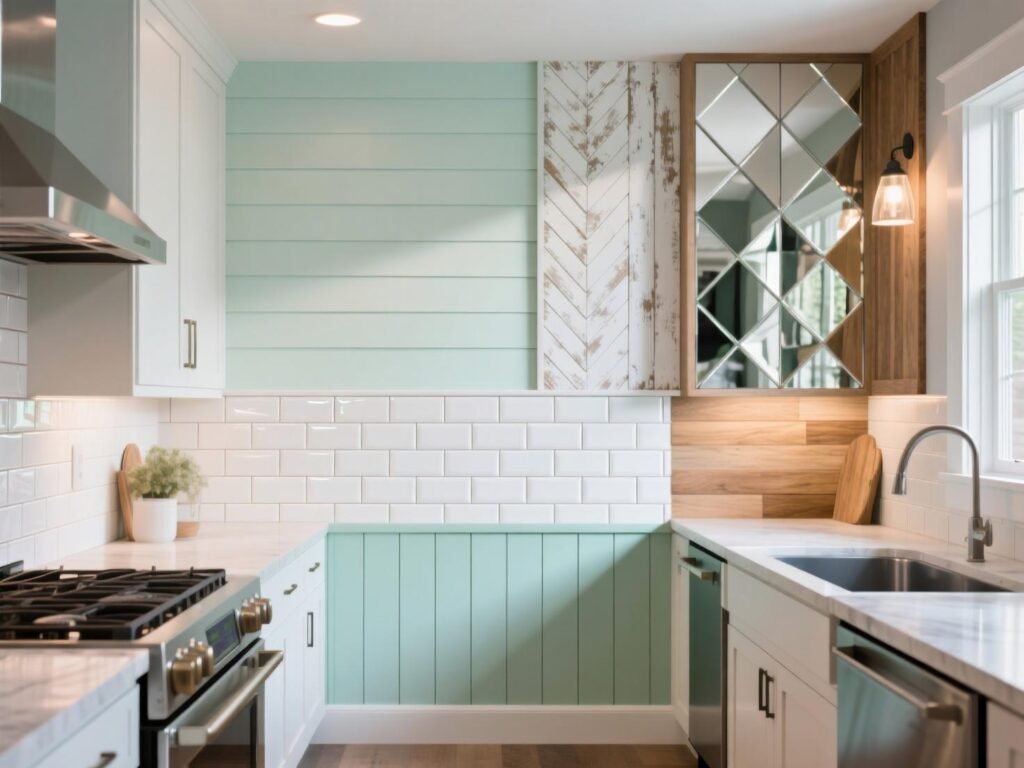
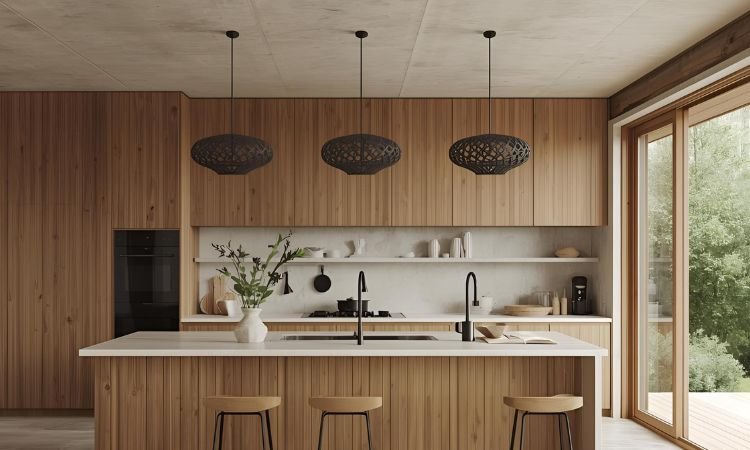
You know that feeling when you walk into a space and everything just feels calm? Not sterile-showroom calm, but lived-in, comfortable, like you can actually breathe? That’s wabi sabi. It’s the Japanese philosophy of finding beauty in imperfection, and kitchens are honestly the perfect place to embrace it.
Wabi sabi interior kitchen design celebrates natural materials, handmade imperfections, and the passage of time instead of pursuing flawless Instagram-worthy perfection. The weathered wood, rough textures, and organic forms create spaces that feel grounded and authentic. It’s designing kitchens where a little patina and wear make things better, not worse.
We’re covering 9 wabi sabi interior kitchen ideas that bring this philosophy into the heart of your home. These aren’t about buying expensive artisan everything—they’re about choosing materials and approaches that age gracefully and feel real. And honestly? It’s kind of freeing to stop worrying about keeping everything pristine.
What Makes Wabi Sabi Kitchens Work
- Embrace Natural Imperfections: Knots in wood, variations in handmade tiles, and uneven textures add character instead of being flaws. It’s celebrating authenticity over manufactured perfection. The imperfect elements make spaces feel human and warm.
- Use Organic Materials That Age: Wood, stone, clay, and linen develop patina over time becoming more beautiful with use. It’s choosing materials that improve with age instead of showing wear as damage. The living finishes create kitchens that evolve gracefully.
- Keep Color Palettes Natural: Earth tones, whites, grays, and muted colors reflect nature’s palette creating calm spaces. It’s avoiding bright synthetic colors that feel harsh. The soft neutrals provide peaceful backdrops for cooking and gathering.
- Value Simplicity Over Excess: Wabi sabi kitchens include only what’s needed avoiding unnecessary decoration and clutter. It’s editing ruthlessly keeping spaces serene. The restrained approach creates breathing room and visual calm.
9 Wabi Sabi Interior Kitchen Ideas
Create a peaceful and authentic cooking space with these wabi sabi interior kitchen ideas that celebrate natural beauty and mindful simplicity.
Choose Raw Wood Cabinets or Shelving
Install cabinets in unsealed or lightly finished wood showing natural grain and variations. The organic material brings warmth and ages beautifully. It’s embracing wood’s true character instead of hiding it under paint.
Use oak, cedar, or reclaimed wood accepting knots and color variations as features. Skip glossy finishes choosing matte or oil treatments letting wood breathe. This wabi sabi interior kitchen foundation costs $100-200 per linear foot for custom work but creates the aesthetic’s essential warmth.
Incorporate Handmade or Irregular Tiles
Use handcrafted tiles with slight variations in color, shape, and texture instead of machine-perfect versions. The artisanal quality adds soul and authenticity. It’s seeing the maker’s hand in your materials.
Choose zellige, terracotta, or hand-glazed ceramic tiles embracing imperfections. Install them with slightly uneven grout lines accepting organic variation. This wabi sabi interior kitchen element costs $8-25 per square foot and delivers irreplaceable character.
Add a Stone or Concrete Counter
Install counters in natural stone showing variations and movement or concrete developing patina over time. The organic surfaces tell stories through their changes. It’s accepting that counters will gain character instead of staying showroom-perfect.
Choose honed or leathered finishes over polished allowing the material’s natural texture to show. Seal appropriately but accept that stone and concrete mark and stain—that’s their beauty. This wabi sabi interior kitchen investment runs $50-150 per square foot creating surfaces that improve with age.
Use Open Shelving With Everyday Items
Mount simple wooden or metal shelves displaying dishes, glasses, and cooking tools you actually use. The functional display keeps things accessible while showing honest daily life. It’s making your real kitchen tools part of the aesthetic.
Arrange items naturally without forced styling—stacked bowls, gathered glasses, frequently-used tools. Mix pottery in various earth tones and natural materials. This wabi sabi interior kitchen approach costs $30-80 per shelf and creates living storage instead of hidden cabinets.
Include Aged or Reclaimed Wood Elements
Incorporate old barn wood, weathered beams, or salvaged timber adding history and texture. The time-worn materials bring instant depth and story. It’s valuing materials that have lived before entering your home.
Use reclaimed wood for floating shelves, kitchen islands, or ceiling beams. Leave surfaces relatively unfinished showing original patina. This wabi sabi interior kitchen detail costs $5-15 per board foot but adds irreplaceable authenticity.
Choose Matte Black or Aged Metal Hardware
Install simple matte black, brushed brass, or aged bronze hardware and fixtures avoiding shiny chrome. The understated metal tones blend naturally with organic materials. It’s choosing hardware that recedes instead of demanding attention.
Select simple pulls and knobs without ornate details. Let metal develop patina naturally over time. This wabi sabi interior kitchen update costs $3-15 per pull and creates subtle cohesion throughout the space.
Add Clay or Ceramic Vessels
Display handmade pottery, ceramic bowls, and earthenware jugs storing utensils or holding fruit. The artisan pieces add warmth and human connection. It’s surrounding yourself with objects showing someone’s craft.
Choose pieces in earth tones with visible throwing marks and glaze variations. Use them functionally instead of as pure decoration. This wabi sabi interior kitchen layer costs whatever handmade pottery runs locally but adds essential warmth and soul.
Incorporate Natural Fiber Textiles
Include linen dish towels, cotton aprons, and woven baskets bringing soft organic textures. The natural fibers age beautifully and feel good to use. It’s choosing materials that improve with washing and wear.
Stick to undyed or naturally dyed textiles in creams, grays, and earth tones. Hang towels on simple hooks or wooden pegs. This wabi sabi interior kitchen element costs $50-150 for quality textiles that last years developing character.
Create a Simple Wooden Kitchen Island
Build or choose an island in solid wood with minimal ornamentation serving as workspace and gathering spot. The substantial piece grounds the kitchen with natural warmth. It’s furniture-quality simplicity instead of built-in perfection.
Use thick butcher block or solid wood top developing knife marks and stains over time—wear that adds beauty. Keep the design simple with clean lines. This wabi sabi interior kitchen centerpiece costs $500-2000 depending on size creating the kitchen’s heart.
Making Wabi Sabi Kitchens Work
- Accept That Things Will Change: Materials will mark, dent, and develop patina—that’s not damage, it’s the point. It’s shifting mindset from preservation to appreciation. The changes become part of your kitchen’s story instead of problems to fix.
- Edit Continuously: Keep only what you use and love removing excess creating visual calm. It’s maintaining simplicity through regular decluttering. The mindful curation prevents accumulation of unnecessary stuff.
- Choose Quality Over Quantity: Invest in fewer, better items that age well instead of filling spaces with cheap stuff. It’s building a collection of meaningful pieces. The quality items last longer and develop beautiful patina.
- Let Natural Light Shape the Space: Maximize windows and natural light showing materials in their truest form. It’s working with light instead of fighting it. The honest illumination highlights natural materials beautifully.
Frequently Asked Questions About Wabi Sabi Interior Kitchens
What Exactly Is Wabi Sabi?
Wabi sabi is the Japanese aesthetic philosophy embracing imperfection, impermanence, and incompleteness. It finds beauty in things that are natural, modest, and authentic rather than perfect or artificial. In kitchens, it means accepting wear as patina and choosing materials that age gracefully.
The philosophy values simplicity, natural materials, and the passage of time. It’s the opposite of trying to keep everything looking brand new forever. The peaceful approach reduces stress about maintaining perfection.
Is It Just Shabby Chic?
No—wabi sabi is more intentional and refined than shabby chic’s distressed vintage look. Wabi sabi embraces natural aging and authentic materials while shabby chic often artificially distresses things. The Japanese aesthetic is about honest simplicity while shabby chic leans more decorative and romantic.
Wabi sabi feels more minimalist and grounded. It’s quieter and more restrained than shabby chic’s layered vintage abundance. The philosophies differ fundamentally in approach and feeling.
What Colors Work?
Natural earth tones—warm whites, soft grays, beiges, taupes, terracotta, sage greens, and muted blues reflecting nature. Avoid bright synthetic colors and pure white. The palette should feel like it came from the earth.
Colors with depth and complexity work better than flat primaries. Think aged plaster, weathered wood, natural stone—those are your color inspirations. The muted tones create calm spaces that don’t compete with natural materials.
Can Modern Appliances Fit This Style?
Yes—choose appliances in matte finishes, integrated panels, or simple stainless. The key is making them recede rather than dominate. Panel your dishwasher to match cabinets or choose black matte appliances blending into darker elements.
Wabi sabi accepts modern convenience while maintaining aesthetic simplicity. You don’t need vintage everything—just thoughtful choices about how modern elements integrate. The balanced approach maintains function while preserving peaceful atmosphere.
How Do You Keep It From Looking Unfinished?
The difference is intentionality—wabi sabi spaces are carefully considered despite their simplicity. Everything has a purpose and place. Regular cleaning and organization prevent “unfinished” from becoming “messy.”
The restrained palette and quality materials create cohesion. It’s edited simplicity versus incomplete chaos. Thoughtful arrangement and good lighting make spaces feel complete despite minimal decoration.
What About Maintenance?
Wabi sabi materials often require less maintenance than high-maintenance finishes since you’re not fighting natural aging. Seal wood and stone appropriately but accept that they’ll develop character. Clean regularly but don’t stress about every mark.
The philosophy reduces maintenance anxiety—a knife mark on butcher block isn’t a disaster, it’s life. Oil wood occasionally, clean stone gently, and otherwise let materials live naturally. The low-stress approach is part of the philosophy.
Can Small Kitchens Do Wabi Sabi?
Absolutely—wabi sabi’s simplicity and restraint actually work beautifully in small spaces. The uncluttered aesthetic makes small kitchens feel more spacious. Focus on a few quality natural materials and keep surfaces clear.
Small spaces benefit from wabi sabi’s “less is more” approach. Choose multi-functional pieces and edit ruthlessly. The simplified aesthetic prevents small kitchens from feeling cluttered or overwhelming.
Finding Peace in Your Kitchen
Wabi sabi interior kitchen ideas show that creating beautiful, functional cooking spaces doesn’t require pursuing impossible perfection or hiding every sign of use. The philosophy of embracing natural materials, honest imperfections, and the passage of time creates kitchens that feel peaceful and authentic rather than stressful and sterile.
Start with natural materials that age gracefully—wood, stone, handmade ceramics—building a foundation that improves with time. Edit your belongings keeping only what serves purpose and brings joy. The mindful approach creates kitchens that nourish both body and spirit through their calm, authentic beauty.
Does this philosophy speak to you? I’m curious if you’re ready to stop stressing about keeping everything perfect and embrace some beautiful imperfection!